Last weekend, I spent a few hours at the Computer History Museum in Mountain View, right after walking to the famous HP Garage in Palo Alto. This museum is a great place for anyone who loves computers! I took over 200 photos, but I chose about 15 of the most interesting ones to share here.


IBM Type 80 Card Sorter (1943)#
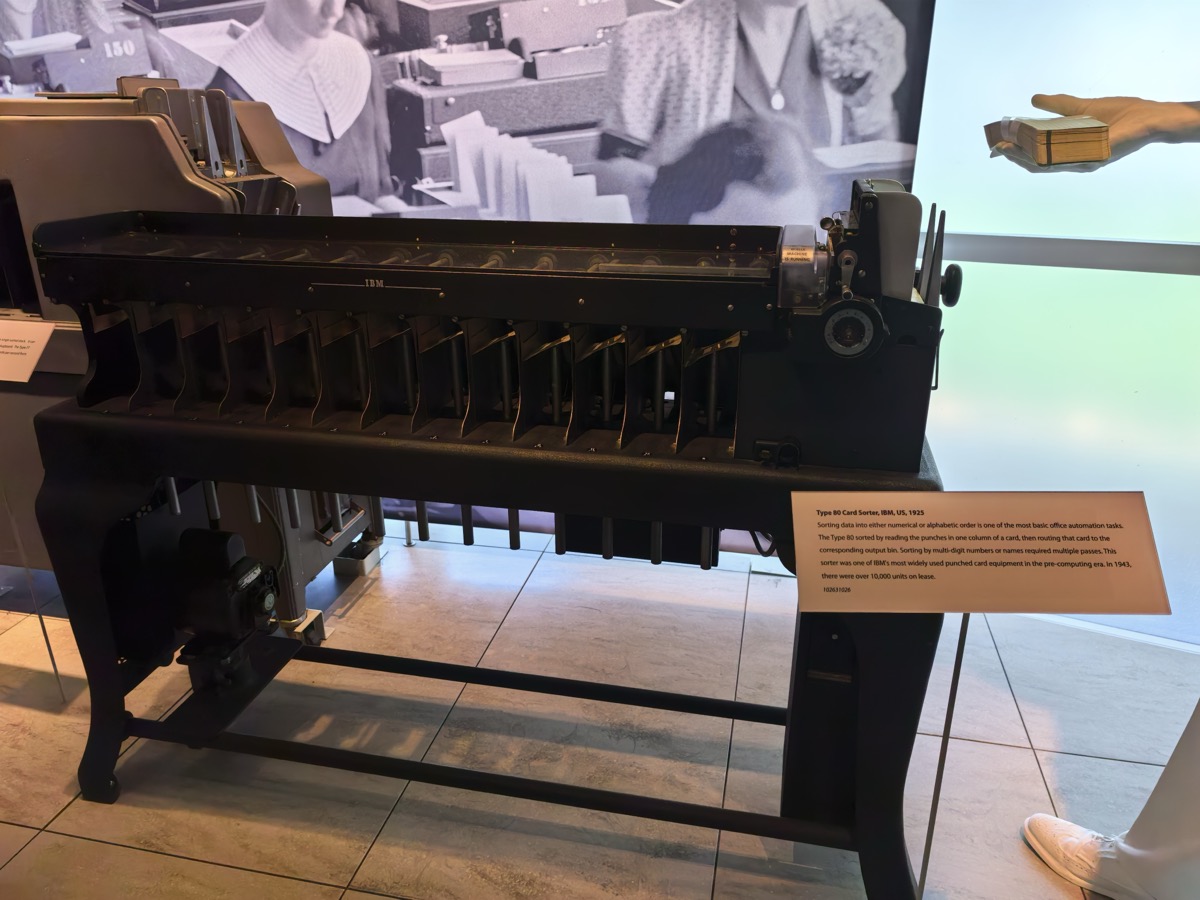
This machine did a lot of heavy office work long before modern computers existed. In 1943, companies rented over 10,000 of them to sort data on punch cards by alphabet or numbers. I actually saw the end of the punch card era when I was learning to use the Soviet Elbrus-1 mainframe in university.

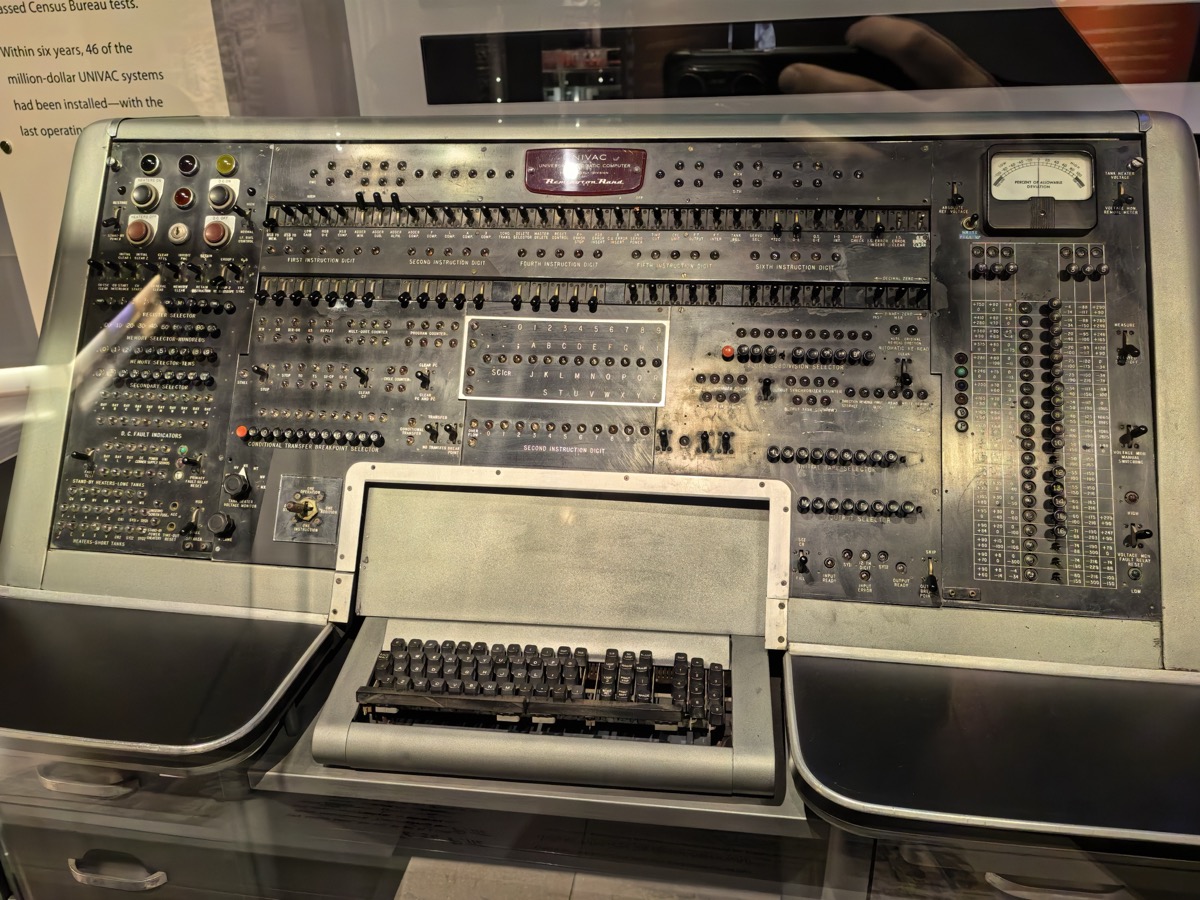
UNIVAC I (1951–1952)#

UNIVAC was the first commercial computer in the US, and everyone knew its name. It became famous for correctly guessing the results of the 1952 presidential election, and the US Census Bureau used it a lot.

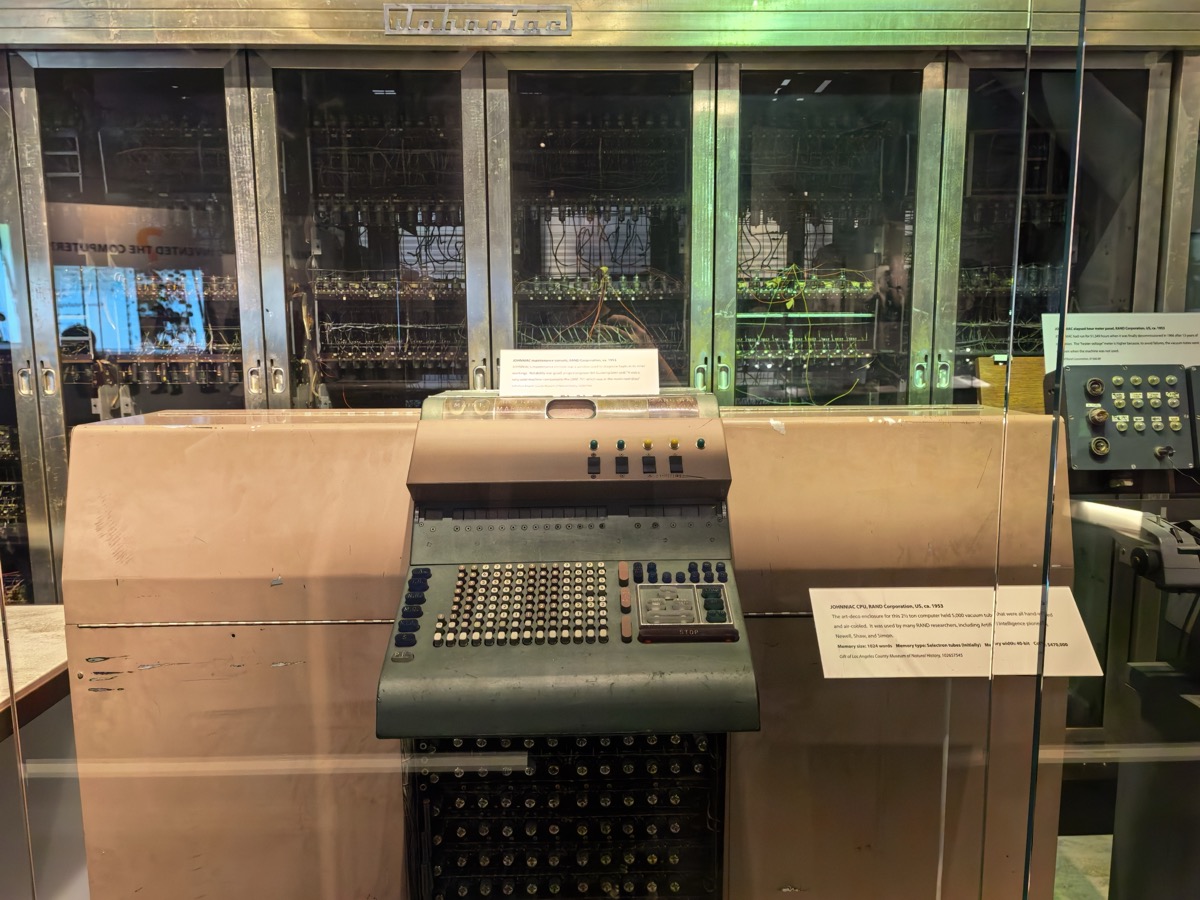
JOHNNIAC (1953)#

Named after the great mathematician John von Neumann, this giant machine was built by the RAND Corporation in 1953. It has a very cool Art Deco design. It weighed over two tons, had thousands of vacuum tubes, and was very difficult to maintain.

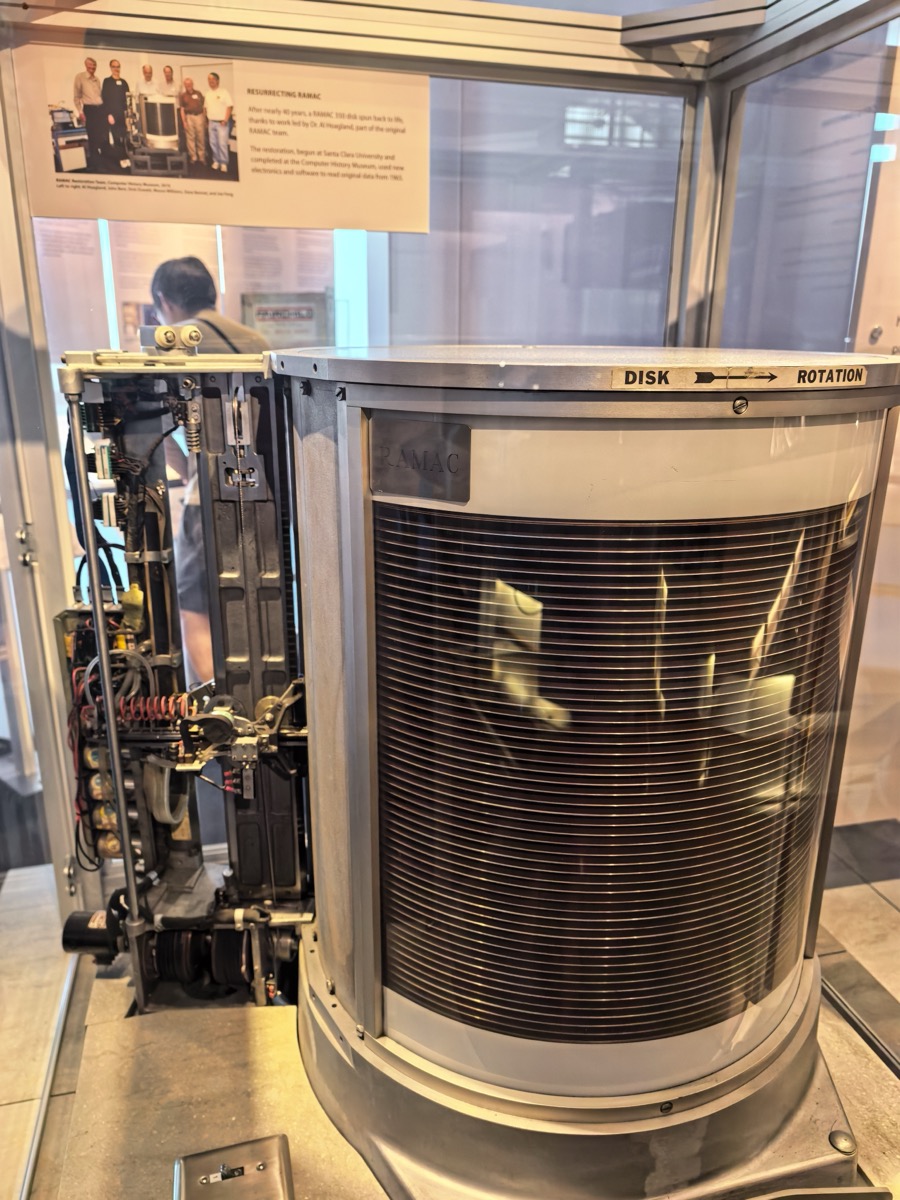
IBM RAMAC 305 (1956)#

This is the world’s first commercial disk drive. It used moving magnetic heads to read and write data. It had fifty huge 24-inch disks and could store about 5 megabytes of data.

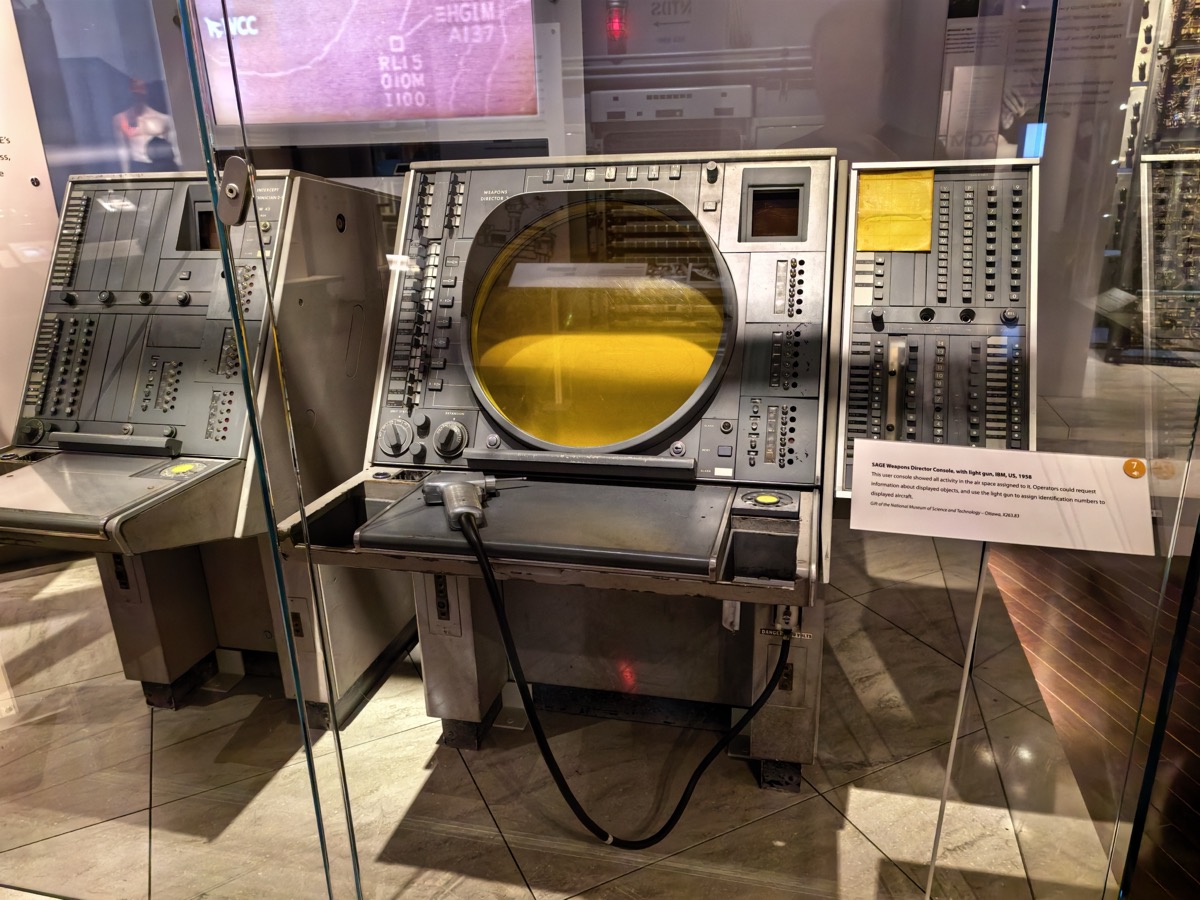
SAGE System Console (Late 1950s)#

This part of the Cold War air defense system was a pioneer in real-time computing and computer networks. SAGE operators used “light guns” to point at objects on the radar screen, which was an early version of modern computer interfaces. The huge control panels even have built-in ashtrays and old phone dials, showing what military command posts looked like in the 1950s.

IBM 1401 (1959)#

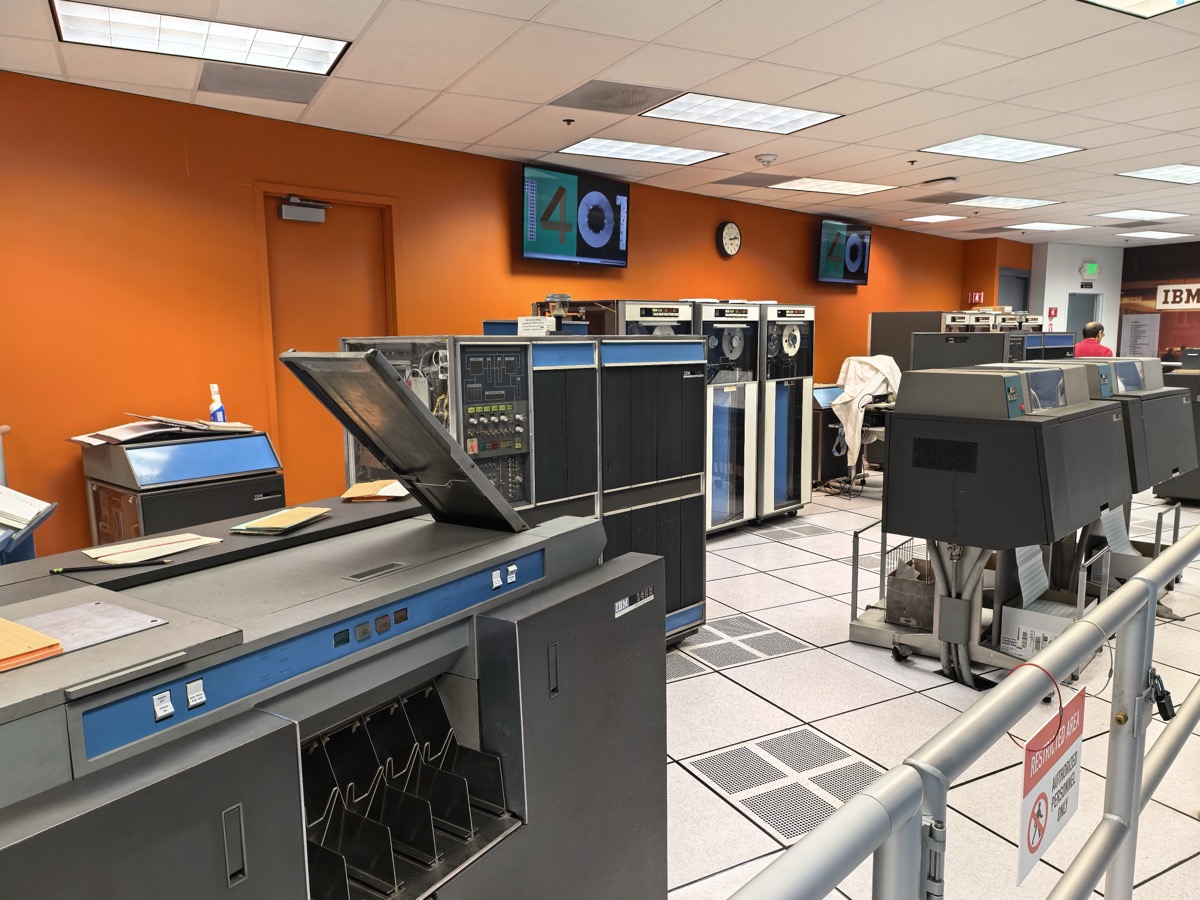
This computer was the main tool for businesses in the 1960s. It replaced older counting machines. The first computer series to sell over 10,000 units and became the standard for business computing. I was lucky to see a fully working system at the museum.

PDP-1 (1959)#

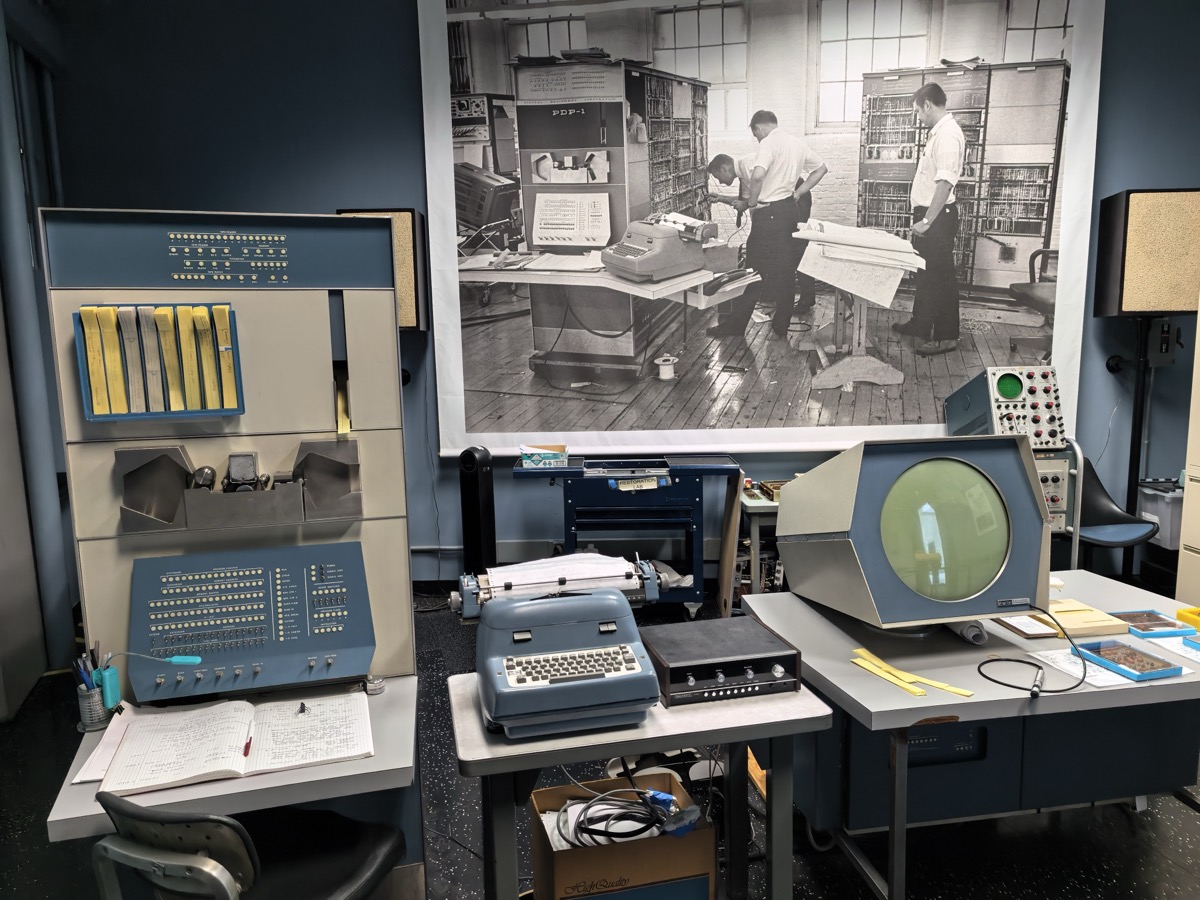
Released by DEC in 1959, this computer was known for its tall control panel filled with toggle switches. Input was handled via a teletype, and its round Type 30 monitor looked much like an oscilloscope. It was on this screen that early programmers developed Spacewar!—the world’s first interactive computer game.

IBM System/360 Model 30 (1964)#

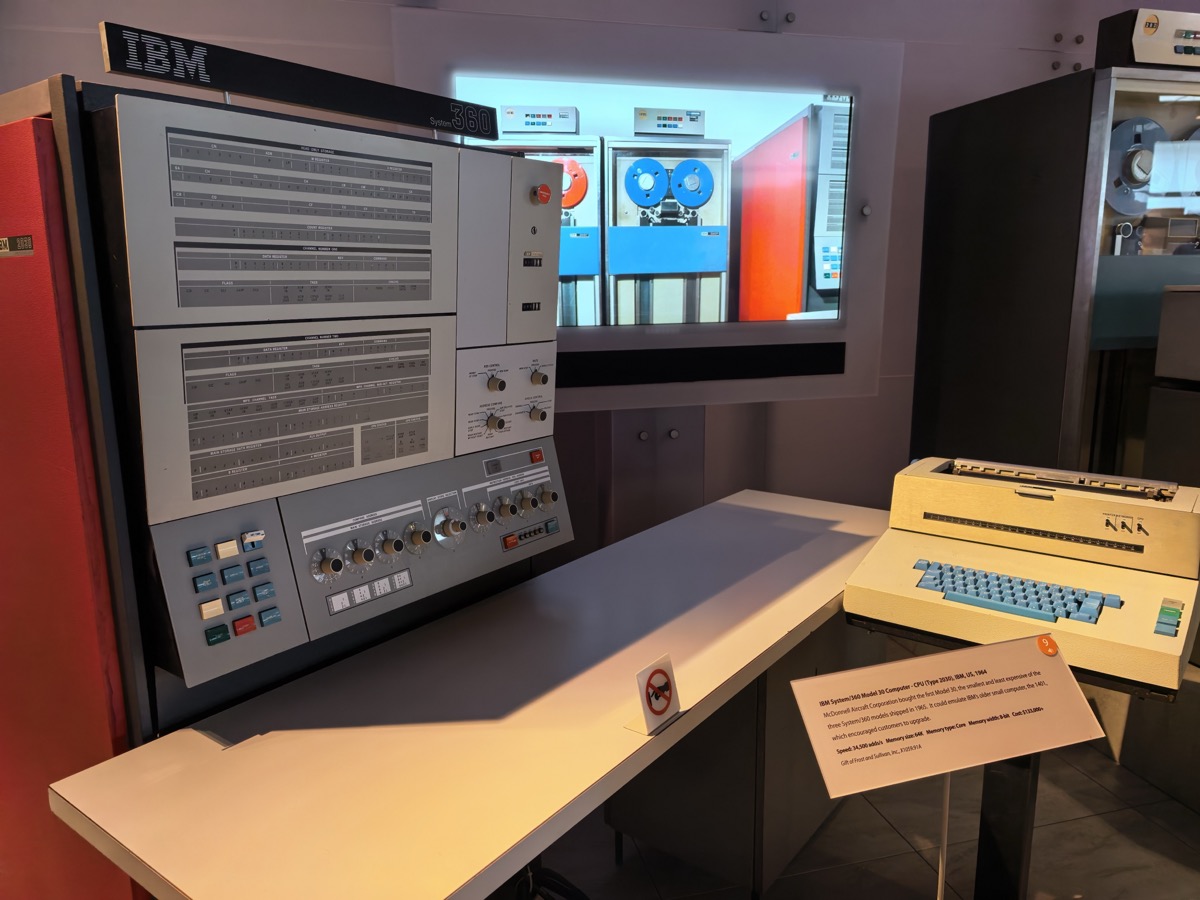
This famous computer series changed the industry. It was the first time software could work on different computer models in the same family. The Model 30 was the cheapest version, allowing companies to upgrade their computers without having to rewrite all their old software.

PDP-8 (1965)#

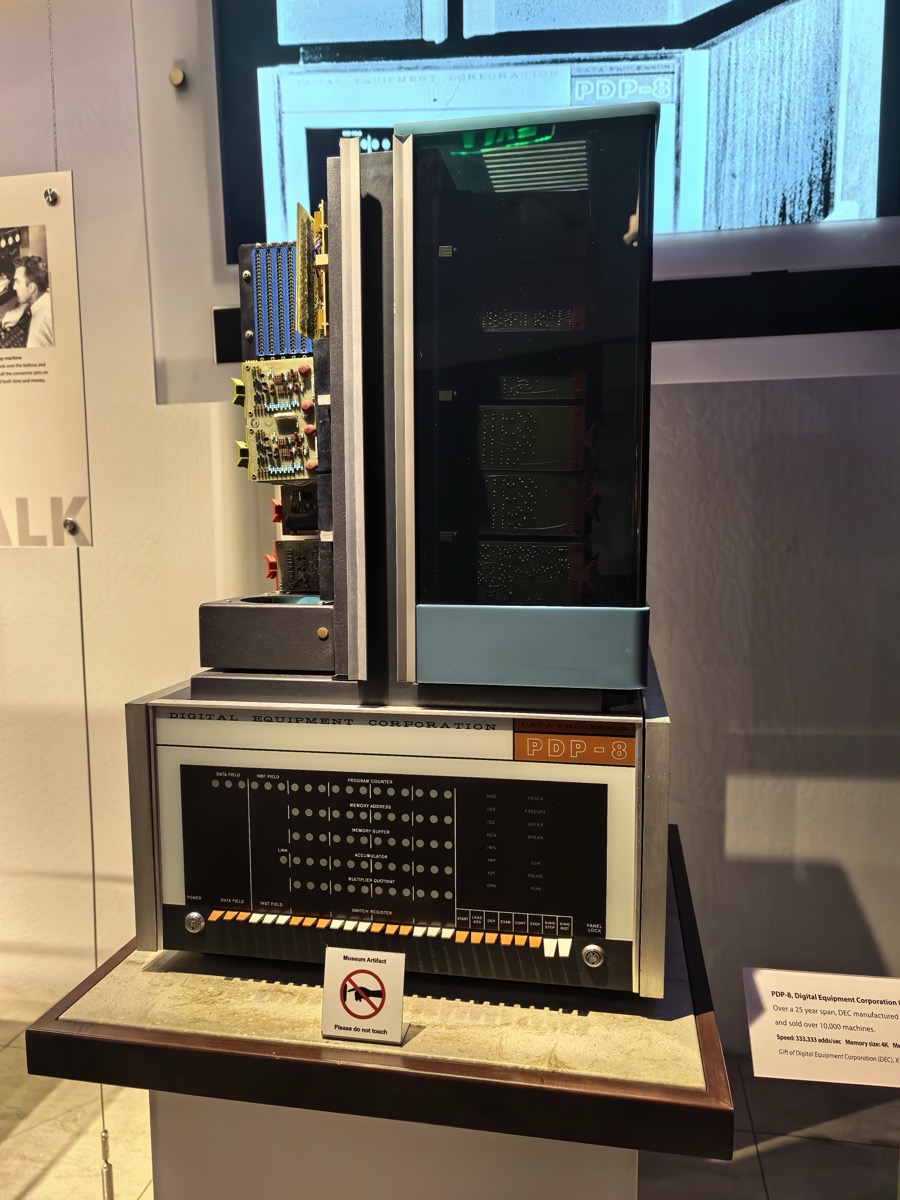
This was the first really successful minicomputer, and it was small enough to fit on a normal desk. It was much cheaper than huge mainframes, so smaller businesses and researchers could finally buy computers. This machine was a big first step toward making computers available to more people.

PDP-11/20 (1970)#

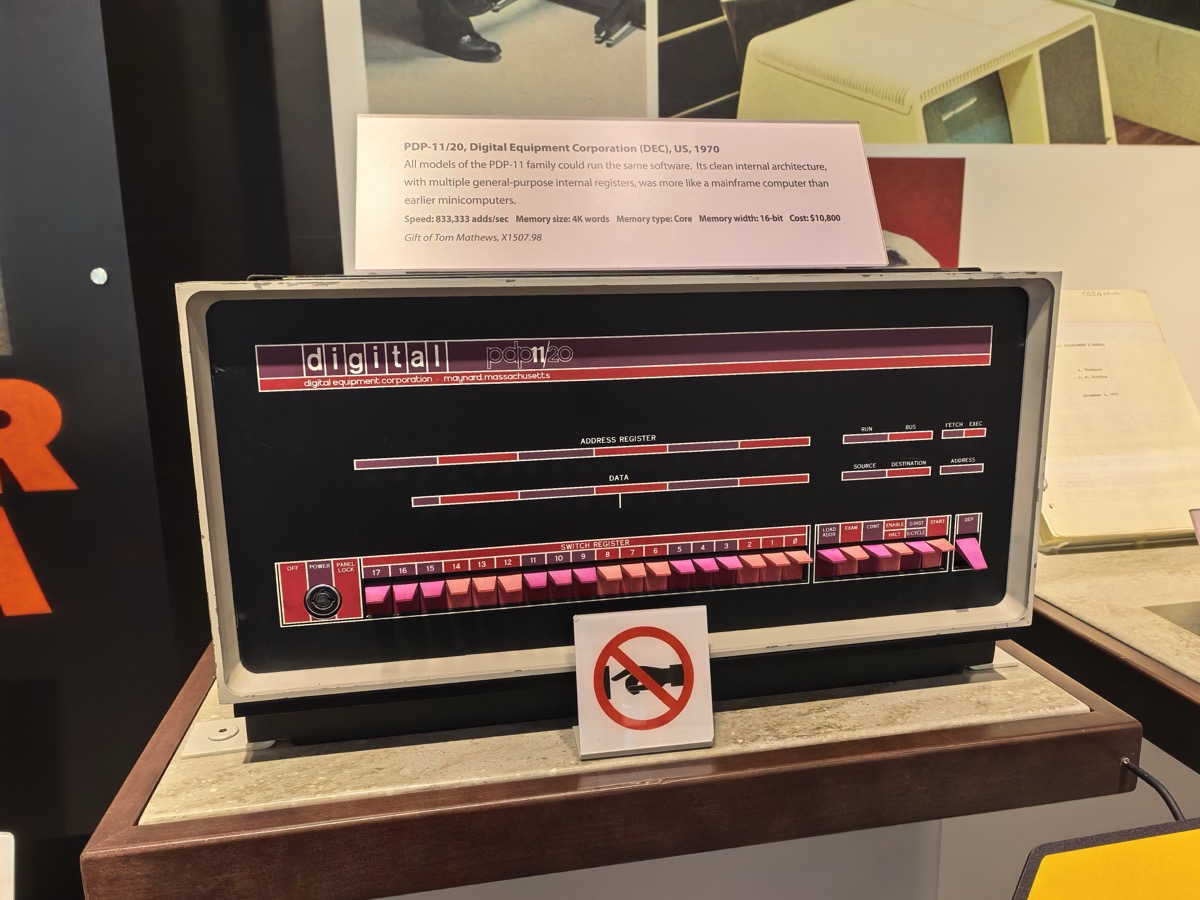
This 16-bit computer had magnetic core memory and worked more like a large mainframe. It is very interesting to me because, in school, I worked on the UKNC, a Soviet microcomputer. The whole line of Soviet computers (like the DVK and Elektronika 60) were actually clones of this very popular American architecture from DEC.

Altair 8800 (1975)#

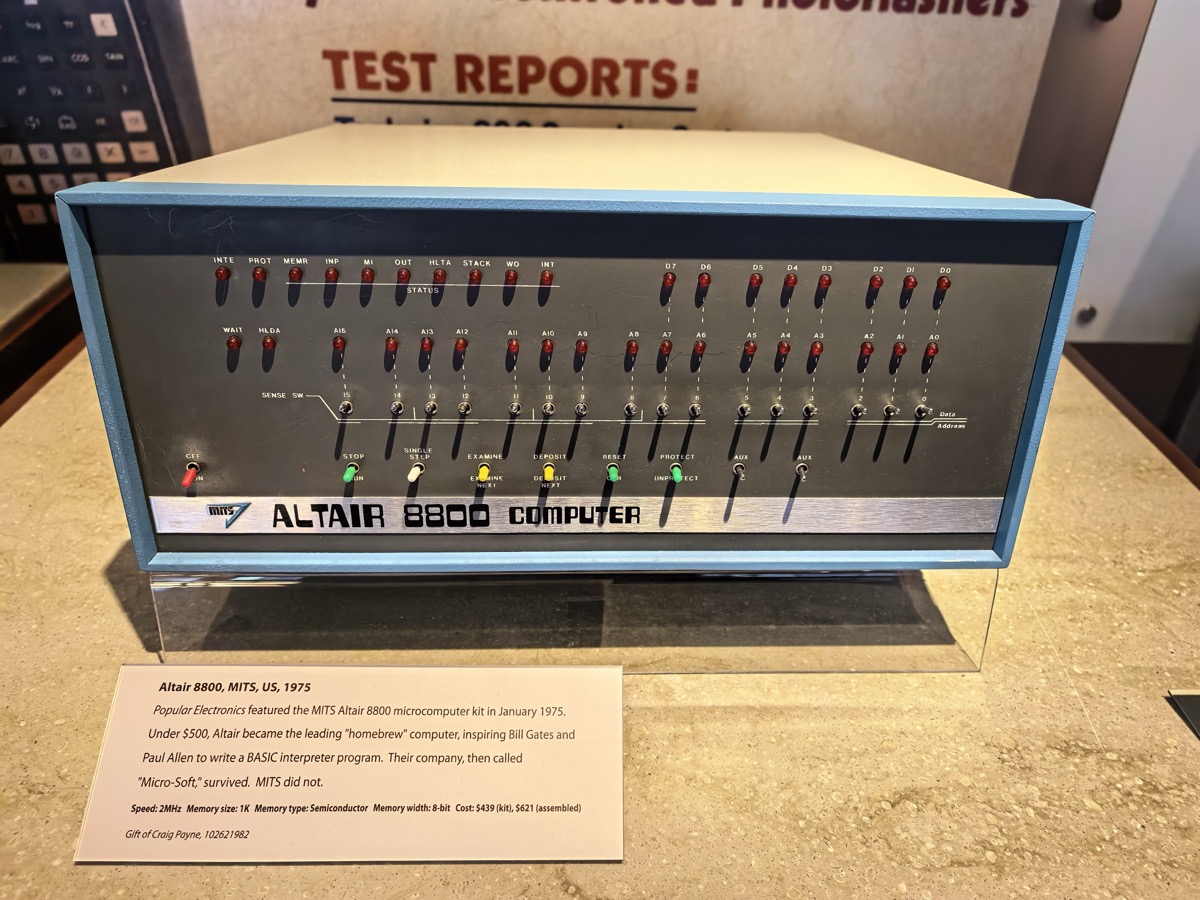
This is considered the first successful personal computer. It did not have a screen or keyboard, but it inspired Bill Gates and Paul Allen to create the BASIC programming language for it. I know what it is like to work with computers like this, because I started my own journey with the Soviet Micro-80 and Radio RK-86.

Apple-1 (1976)#

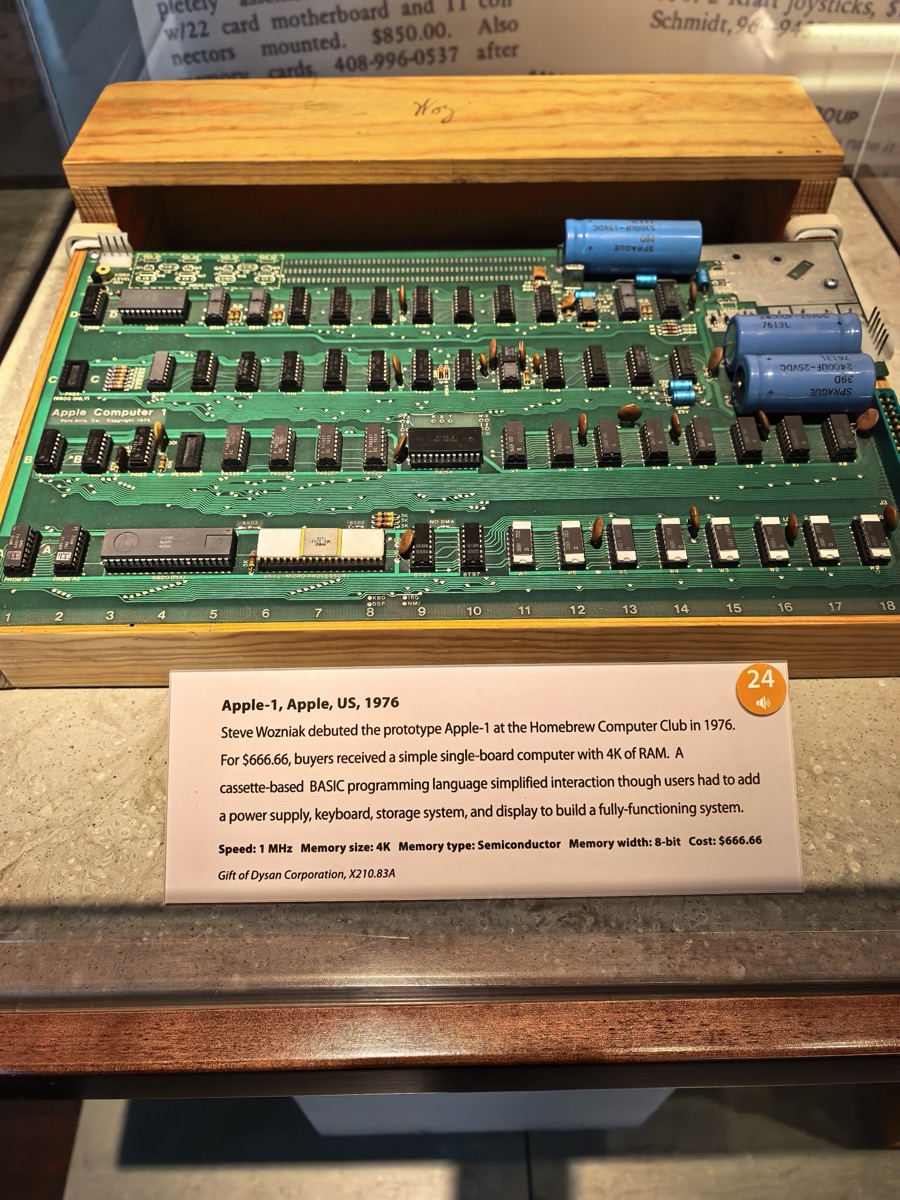
This computer was shown at the Homebrew Computer Club and sold by Steve Wozniak as just a circuit board. Buyers had to add their own case, keyboard, and screen. Many people say the Apple-1 was the first computer ever sold as a fully built board.

Apple II (1977)#

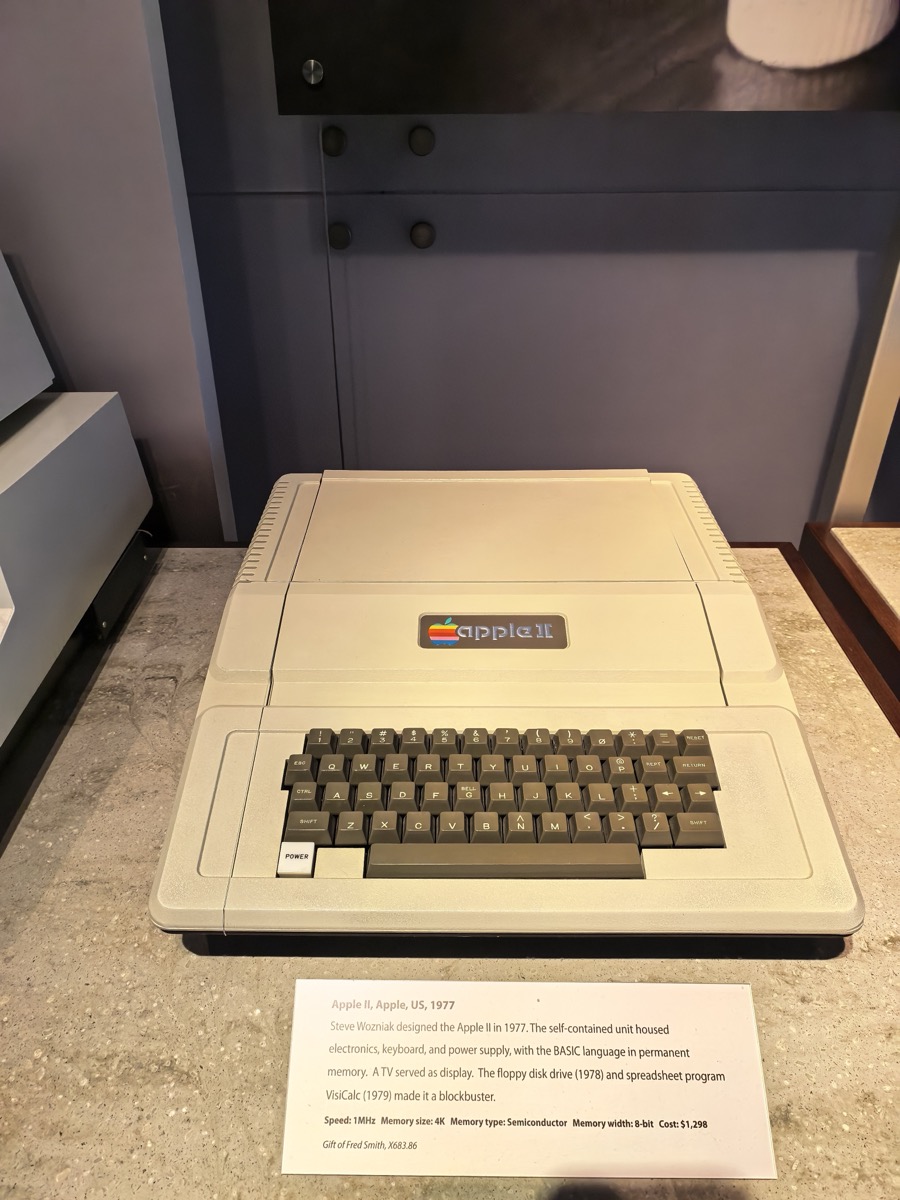
Unlike the first model, this computer was a finished product ready for buyers. It came in a nice plastic case with a built-in keyboard. It supported color graphics and became a huge commercial success.

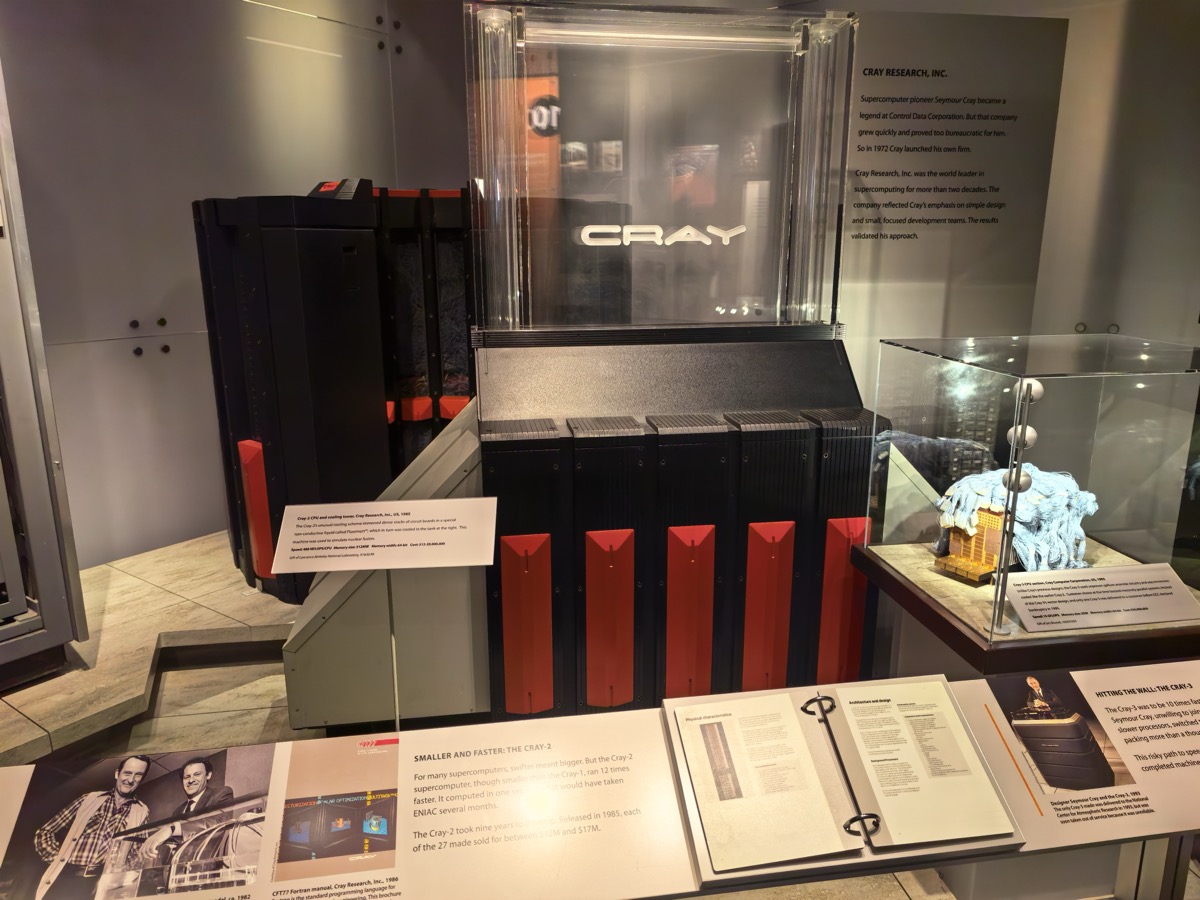
Cray-2 Supercomputer (1985)#

When it was released, this was the fastest computer in the world, built for very complex tasks. To stop it from overheating, its parts were put completely into a special cooling liquid called Fluorinert™.

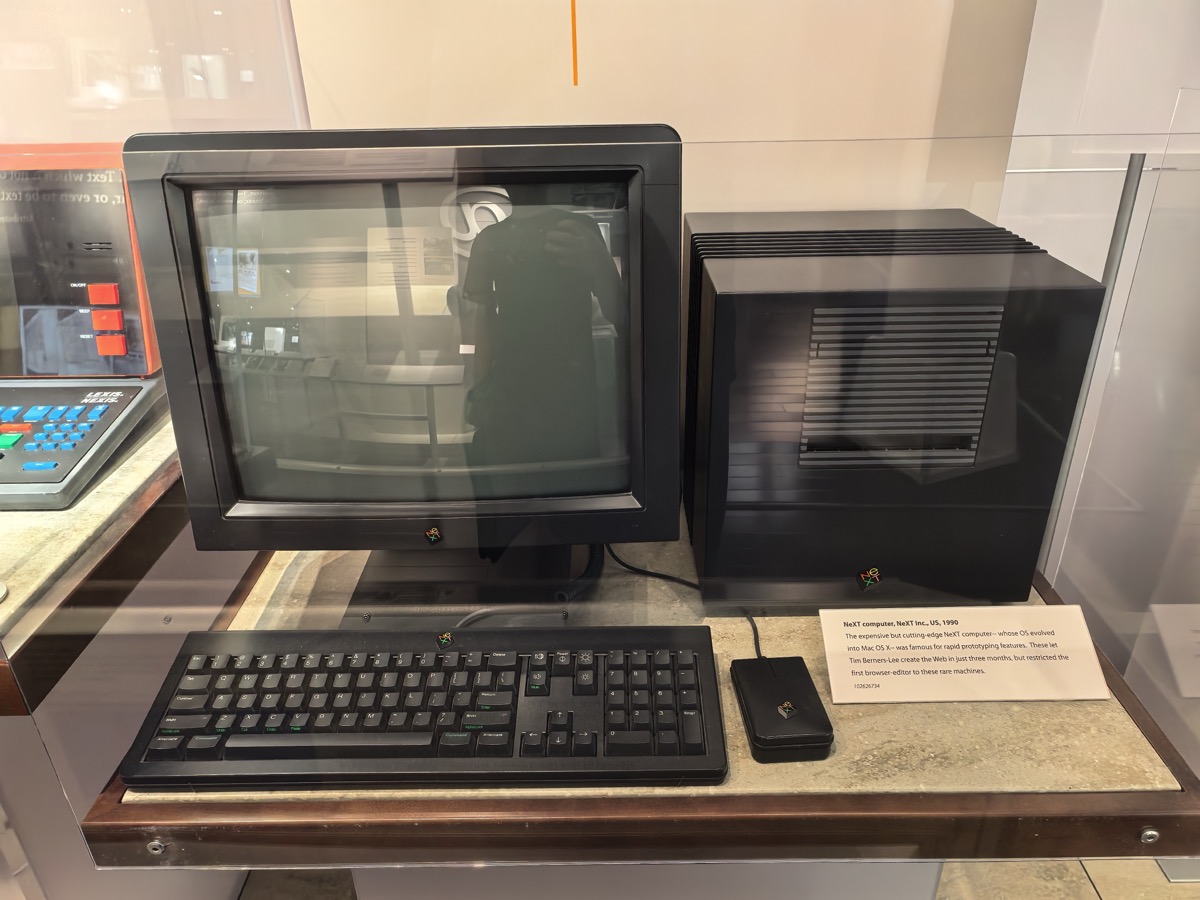
NeXT Computer (1990)#

Created by Steve Jobs after he left Apple, this famous black “cube” was known for its great software tools. Tim Berners-Lee used this machine to create the world’s first web browser and web server, which changed the world forever. Also, its operating system (NeXTSTEP) was so good that it later became the base for the modern macOS.

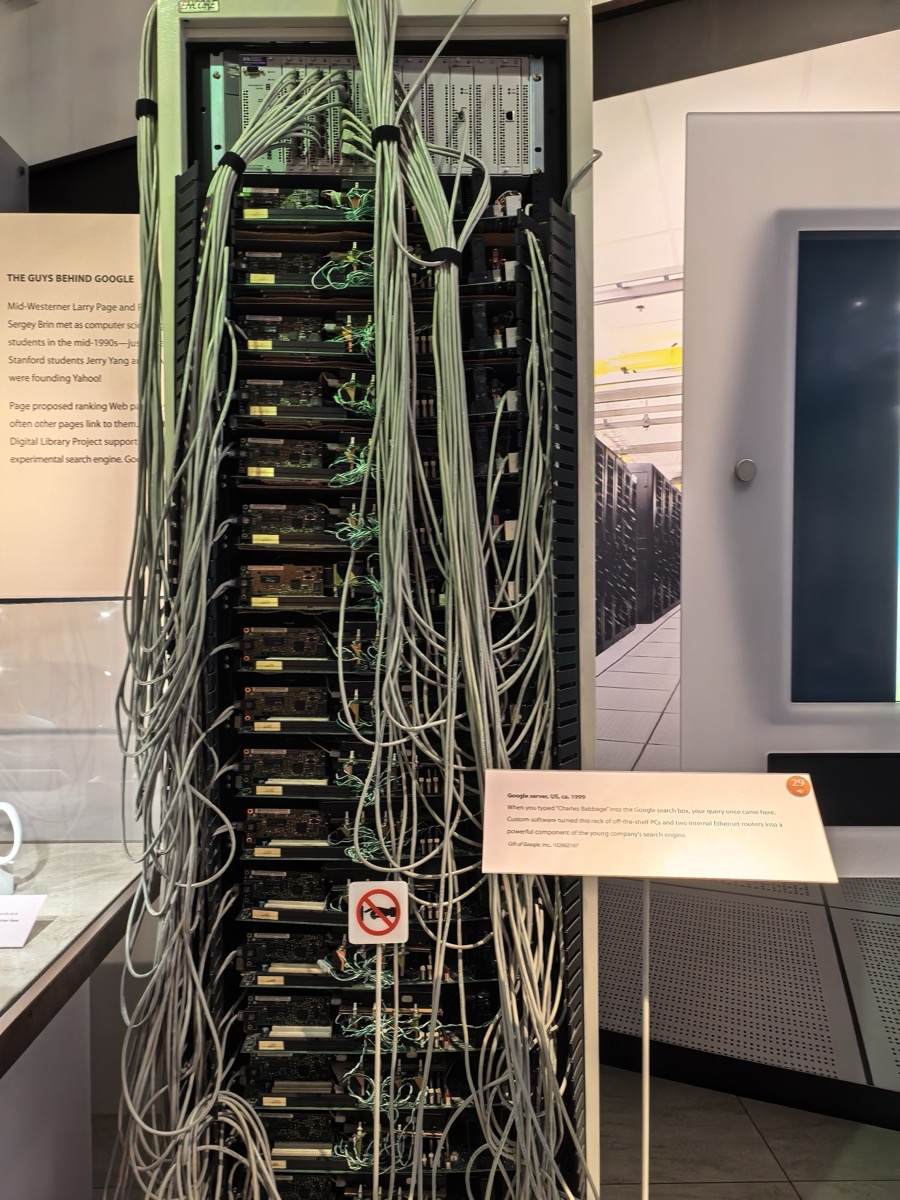
Google Server Rack (around 1999)#

This homemade server rack was built using normal PCs and simple network routers. Instead of buying expensive servers, Google’s founders used lots of cheap hardware and connected them together with their own software.